 VISIONS OF
ANURAGK GUPTA COLLECTION · PROVENANCE · LIVING ARCHIVE
VISIONS OFThe selected works of Anuragk Gupta reveal a painter concerned not with representation but with perception. The images operate less as pictures and more as experiential fields in which colour, movement and rhythm guide attention inward. Recurrent spiral formations and luminous centres appear as visual metaphors for awareness, inviting the viewer into a contemplative encounter rather than narrative interpretation.
Across these paintings, landscape, abstraction and inner space gradually dissolve into one another. The viewer is not asked to understand a story but to inhabit a state of observation. The paintings function as thresholds — where looking becomes sensing and sensing becomes reflection.
Paintings functioning as contemplative perceptual fields rather than representational surfaces.
The spiral as movement between memory, matter, perception, and awareness.
Visual transitions where sensation, silence, light, and inner architecture converge.
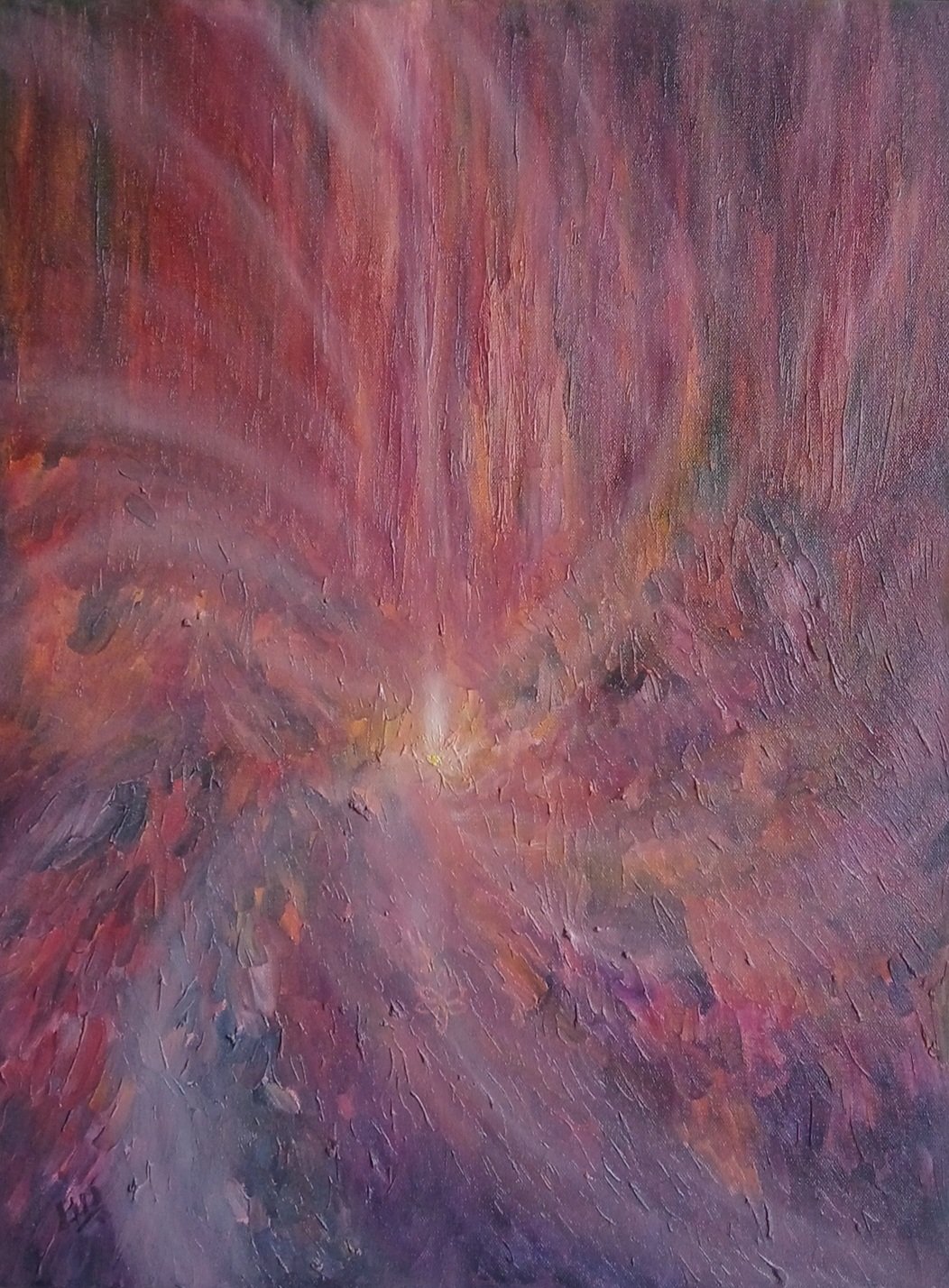
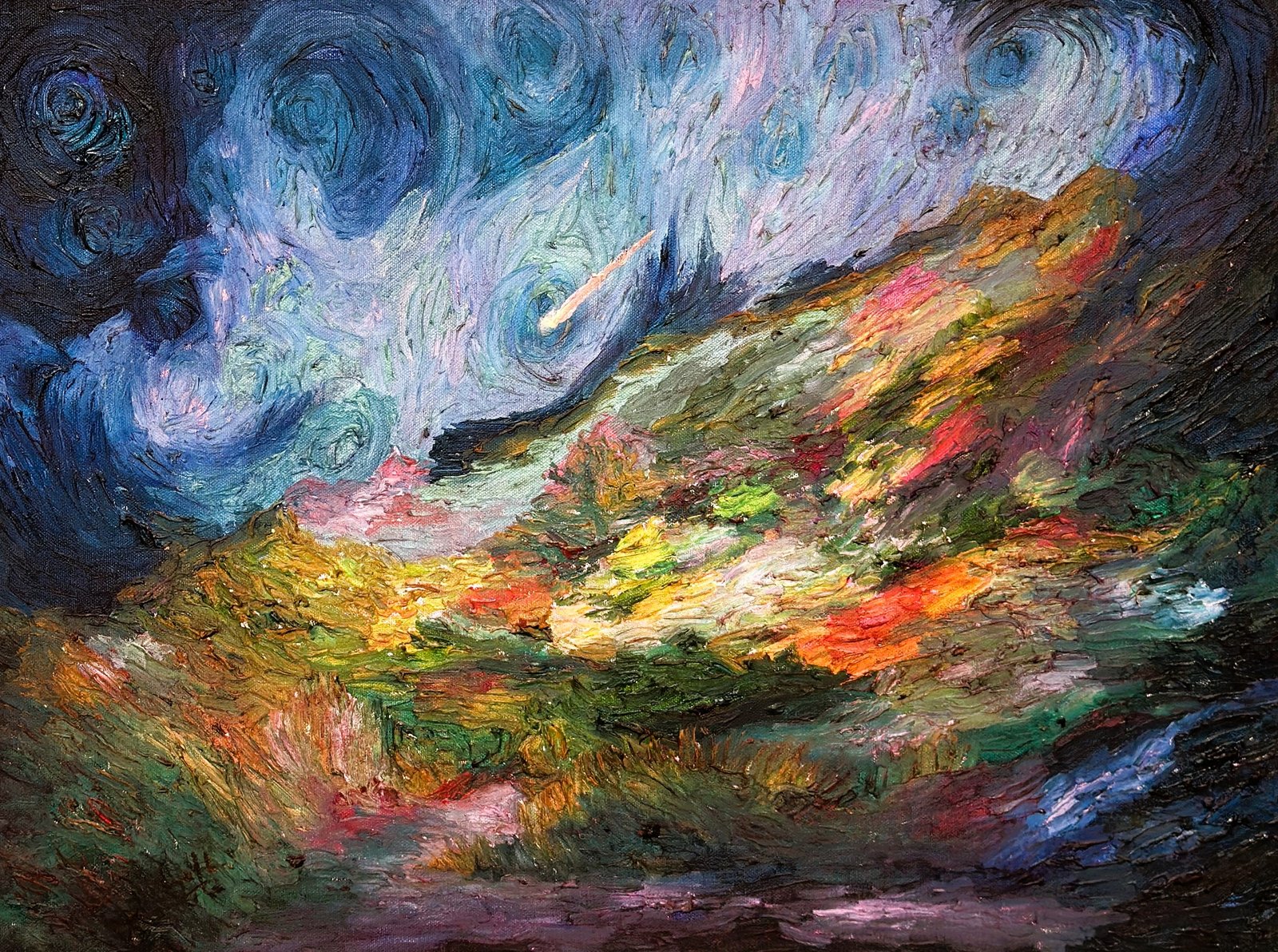
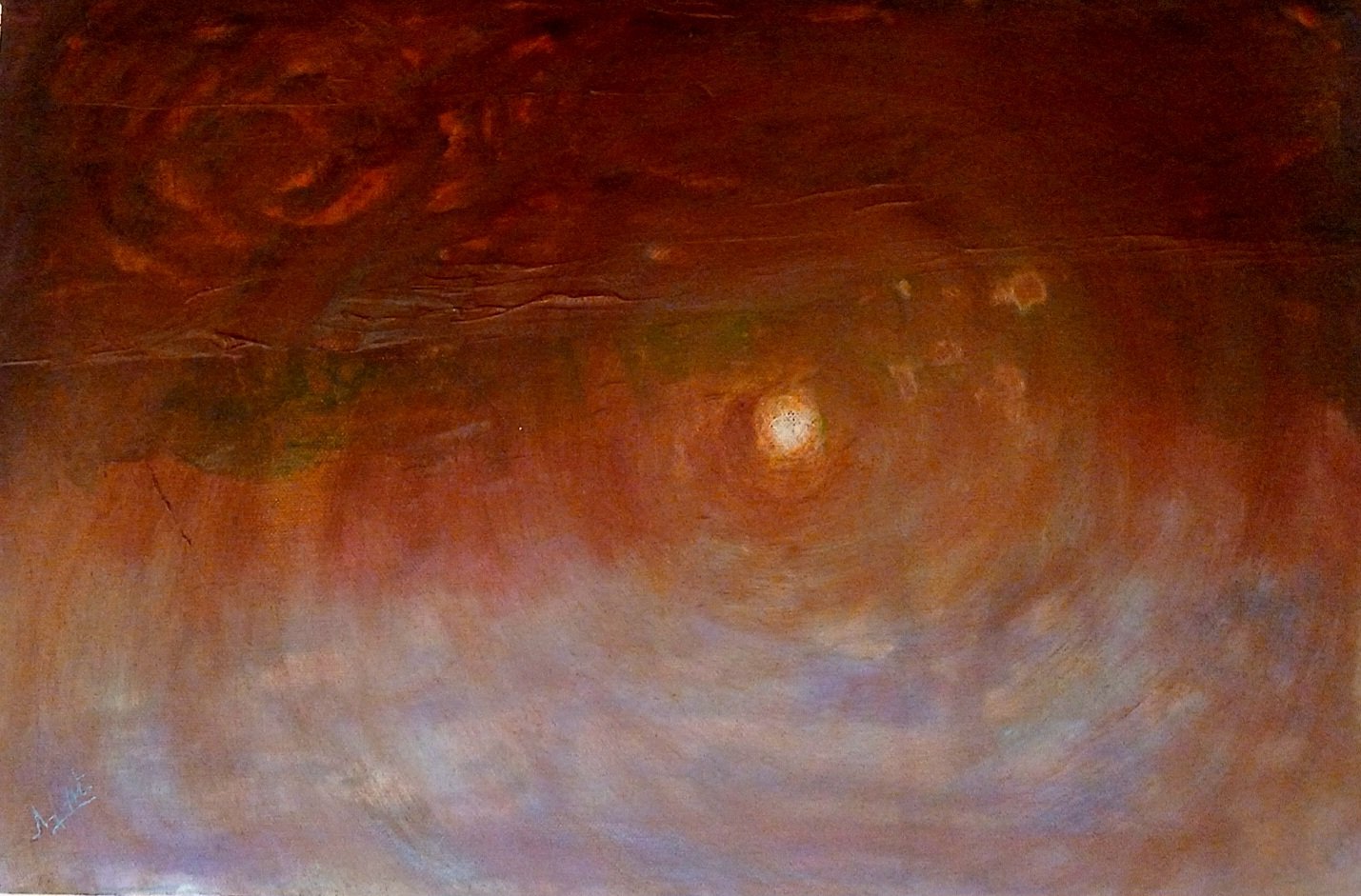
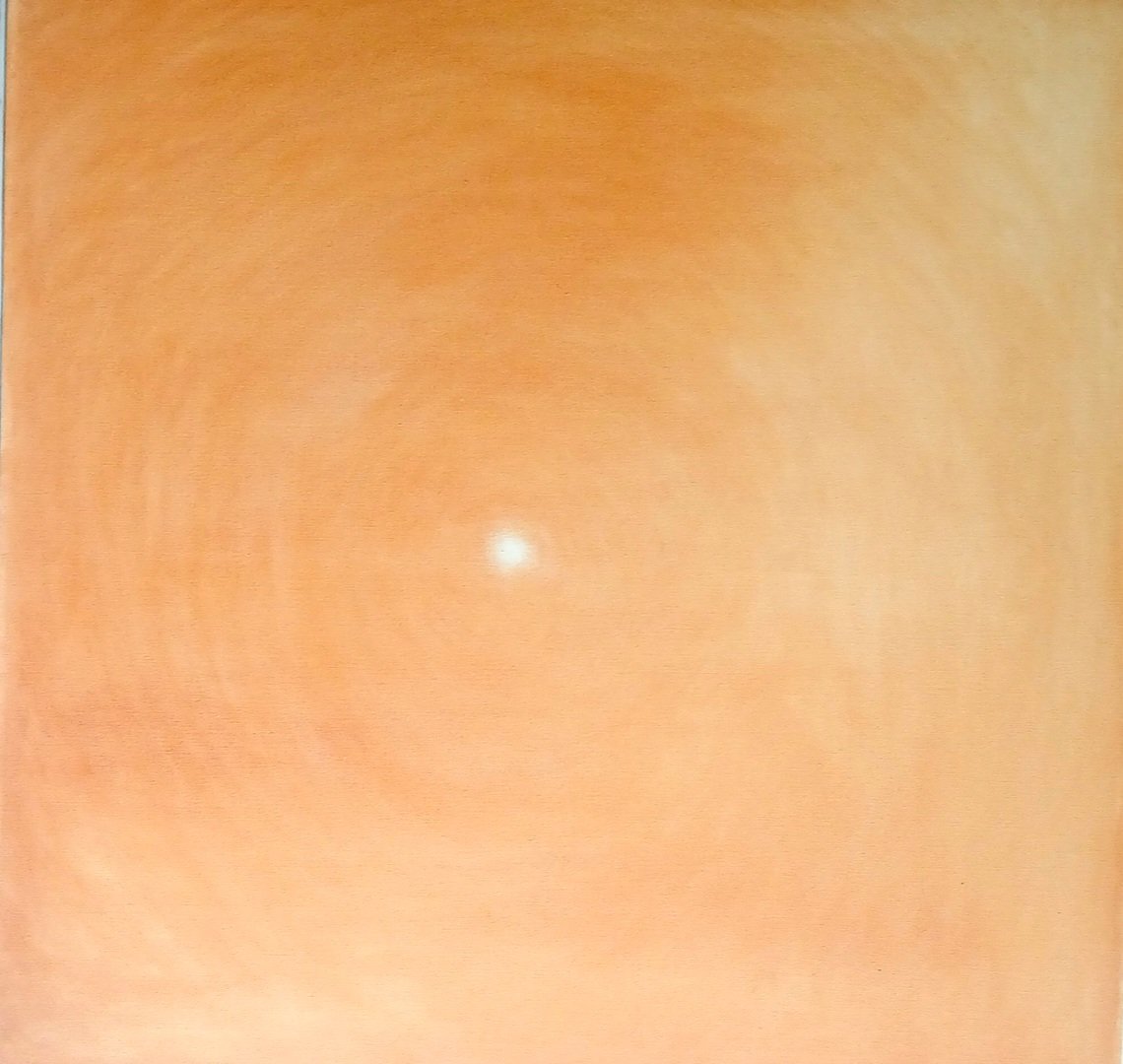
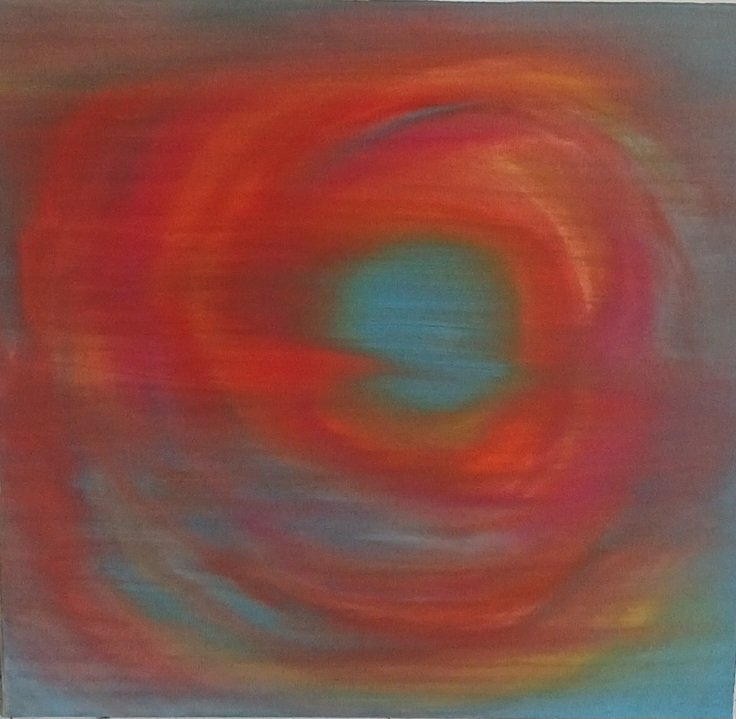
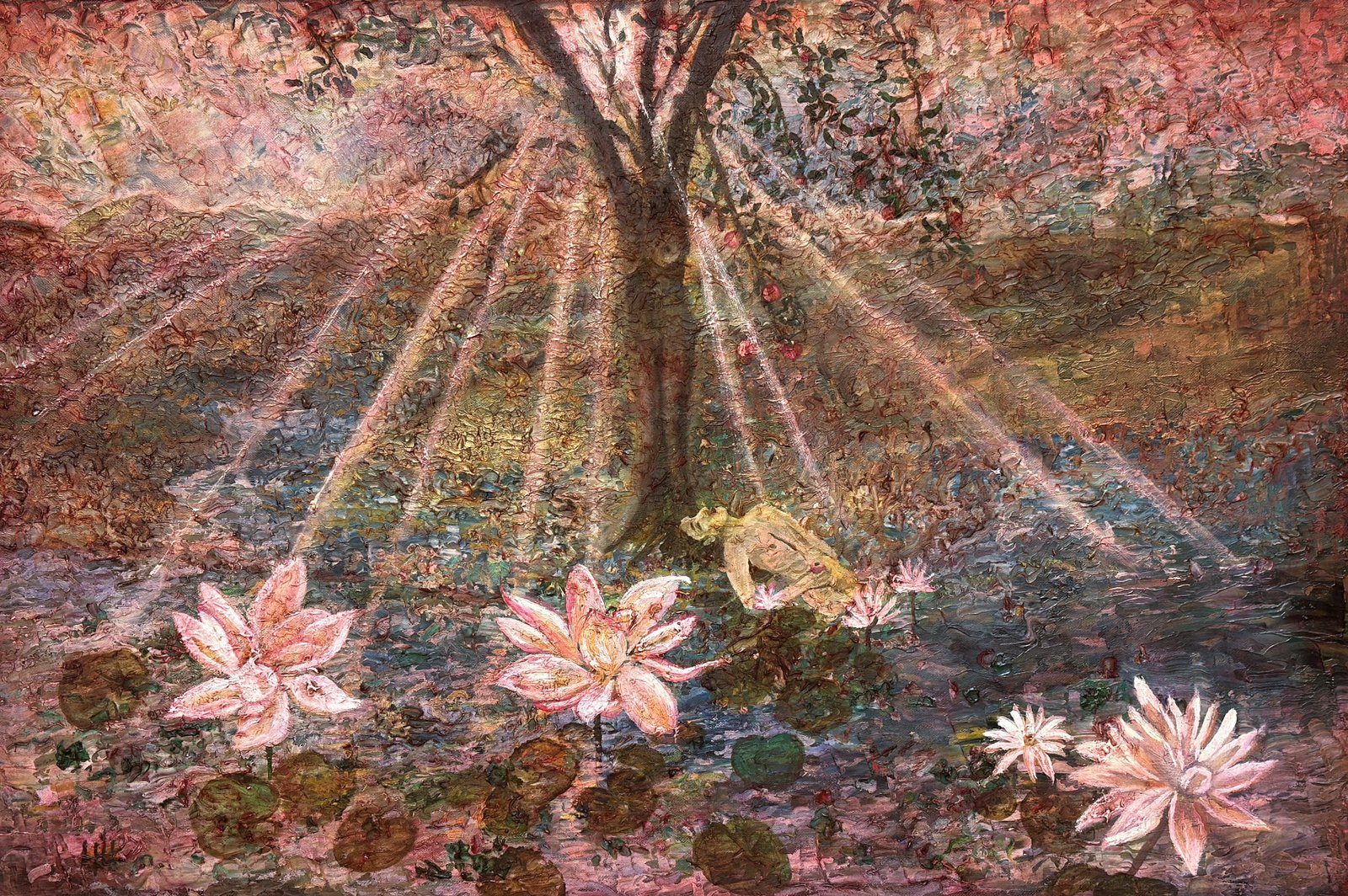
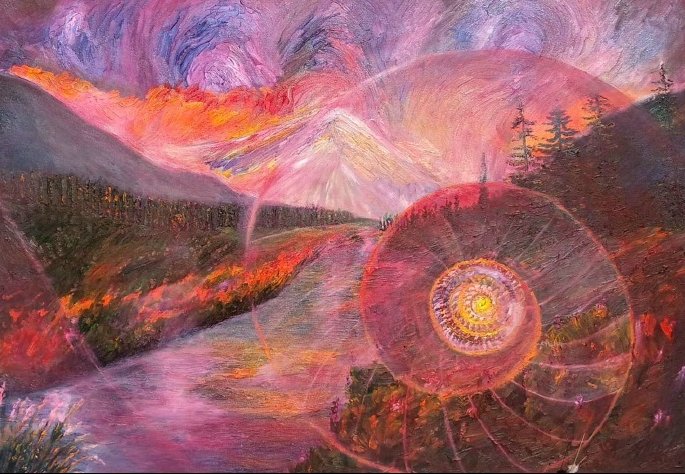
In Anuragk Gupta’s paintings, classical impressionism finds a home in contemporary abstraction. Across his catalogue of works, light is a fundamental distinguishing feature. Light here, though, is not meant solely to illuminate the objects within. You are invited, guided, and held by light, as you peer into the works and allow yourself to experience it.
Recurring across his works are spiral forms, not merely as motifs but as definitive features of your experience with his art guiding points that gently usher in. The centrality of light in the unfolding spiral forms, and then its dispersion across the canvas, is as if the light reaches through your own inner journey as you interact with the artwork.
“Ananta”, indeed - limitless, unending - light as it traverses through the painting, and light as it reaches you, stays with you, the experience of the paintings remaining long beyond your interaction with it.
In this way the paintings function as meditative spaces. They resist quick interpretation and instead reward sustained observation. Gupta’s practice suggests that painting can still operate as a contemplative medium within contemporary visual culture.
The curatorial selection forms part of the evolving Libre Essence archive exploring perception, consciousness, silence, memory, and temporal abstraction through contemporary visual language.